

Warehouse slotting optimization can make or break your logistics operation. Yet 73% of distribution centers are still operating with outdated slotting strategies that cost them thousands in unnecessary labor expenses and lost productivity. Are you making critical mistakes that are silently draining your bottom line?
The reality is stark: poor slotting decisions increase pick times by up to 40%, create bottlenecks that slow entire operations, and drive labor costs through the roof. But here's what most logistics managers don't realize – the biggest slotting errors aren't obvious. They're hidden in seemingly logical decisions that actually undermine efficiency.
We've analyzed hundreds of warehouse operations and identified seven critical mistakes that are costing companies serious money. More importantly, we'll show you exactly how to fix them.
Mistake 1: Ignoring the Pareto Principle (The 80/20 Rule)
This is the foundation that most facilities get completely wrong. The Pareto Principle states that approximately 20% of your SKUs drive 80% of your unit movement. Yet countless warehouses treat all inventory with equal priority when designing their slotting strategy.
Why this happens: Most managers assume they know their fast movers without actually analyzing the data. They base decisions on intuition rather than hard numbers from their WMS system.
The fix: Conduct a comprehensive velocity analysis using actual movement data from your warehouse management system. Segment your SKUs into clear categories based on real performance metrics, not assumptions. Place your top 20% of fast-moving items in the most accessible locations near packing and shipping areas.
This single change typically reduces picker travel time by 25-35% and can save thousands per month in labor costs. Why? Because your pickers spend the majority of their time accessing the minority of your inventory that moves fastest.
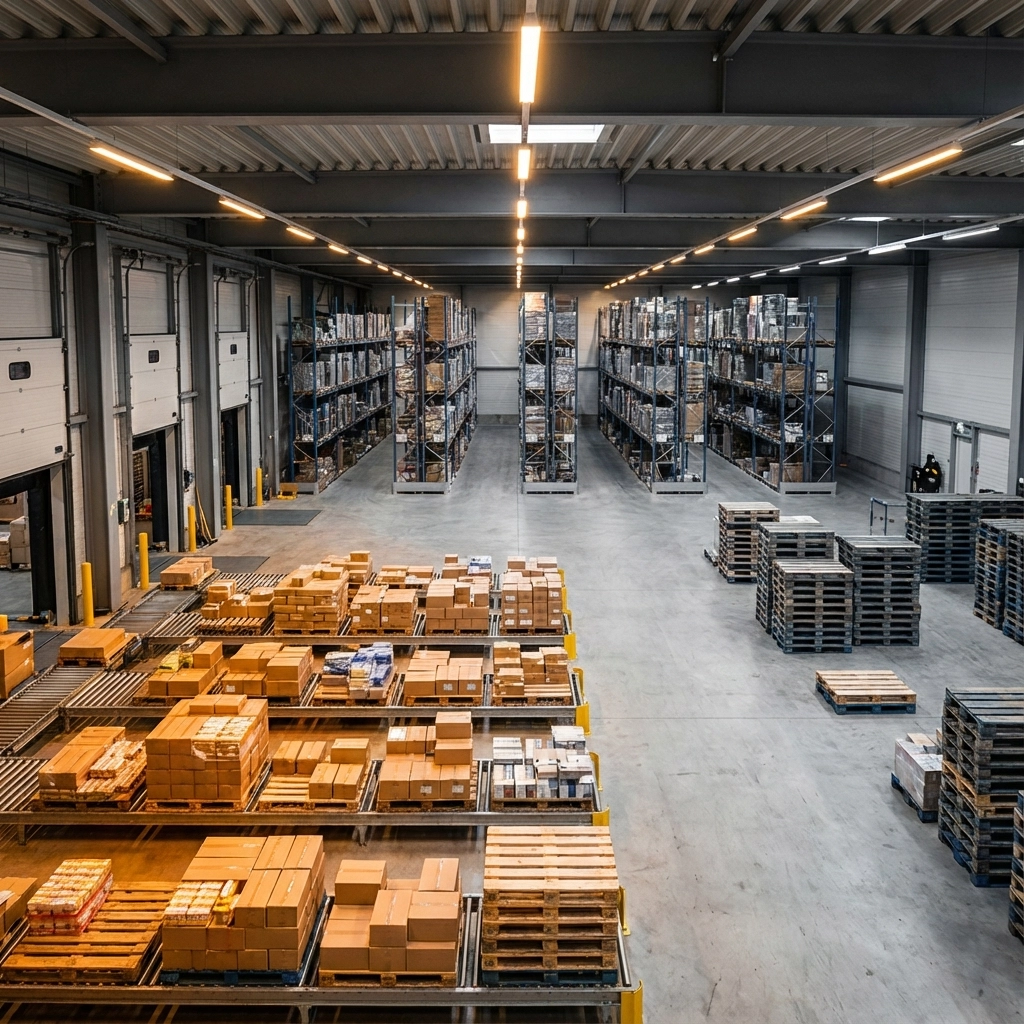
Mistake 2: Creating Traffic Jams with Sequential Fast-Mover Placement
Here's a counterintuitive error that trips up even experienced warehouse managers. Logic suggests placing your fastest-moving SKUs sequentially in adjacent locations. The reality? This creates massive congestion when multiple pickers start their routes in the same area.
The hidden cost: When three or four pickers converge on the same aisle simultaneously, pick times increase exponentially. One study found that congestion-related delays can increase total pick time by 60% during peak periods.
The solution: Distribute your fastest-moving items strategically across different pick zones and aisles. Use slotting software to simulate picker traffic patterns before making physical moves. Design your layout so high-velocity items are accessible from multiple entry points, spreading picker traffic naturally throughout your facility.
Smart distribution centers now use heat mapping technology to identify potential congestion points and adjust slotting accordingly. This approach maintains fast access while eliminating bottlenecks that slow everyone down.
Mistake 3: Using Velocity-Only Analysis Without Error Prevention
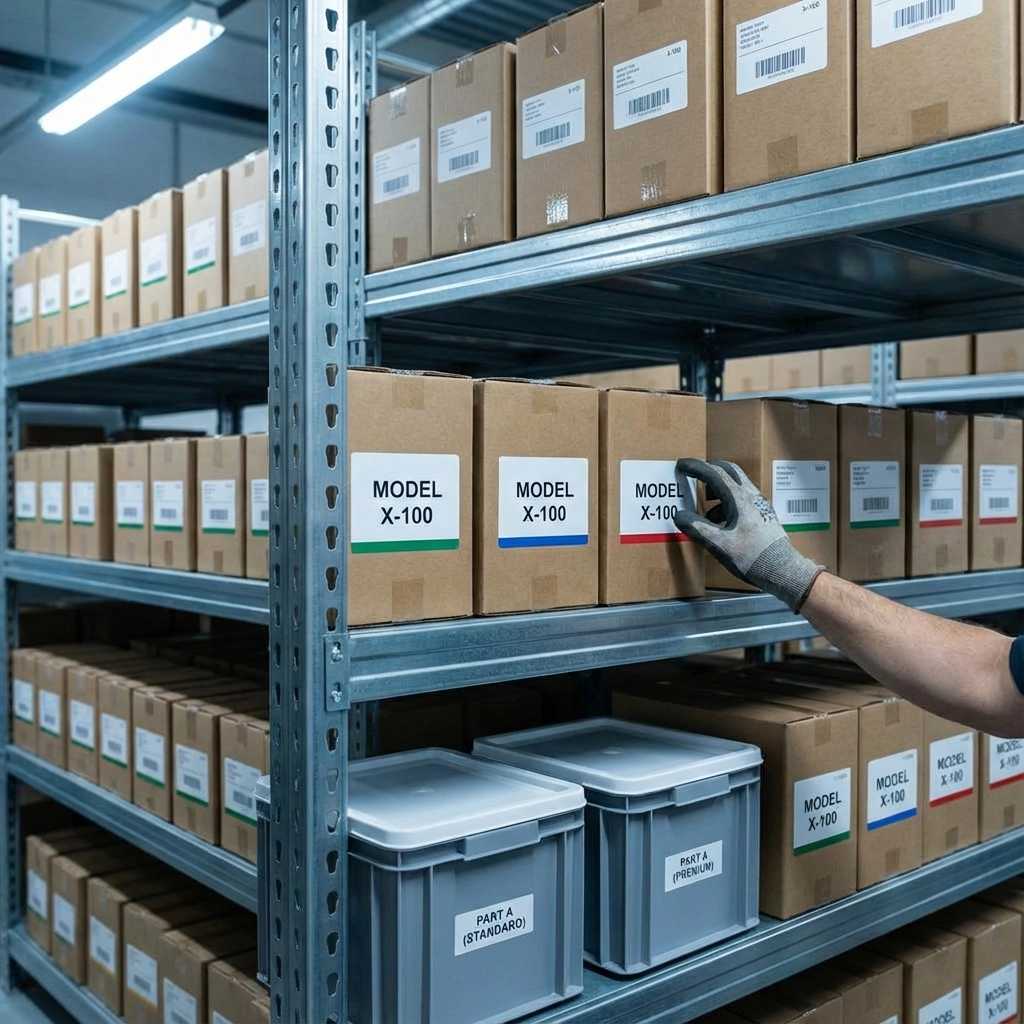
Traditional ABC slotting focuses purely on speed – fast movers near pick faces, slow movers farther away. But this approach completely ignores a costly reality: certain SKUs are frequently mis-picked due to visual similarity, packaging confusion, or labeling issues.
The real impact: Pick errors cost an average of $50-100 per incident when you factor in returns processing, customer service, and replacement shipping. High-velocity items that look similar can generate dozens of errors per week.
The comprehensive approach: Implement error-risk mapping alongside velocity analysis. Identify SKUs with similar packaging, colors, sizes, or model numbers. Even if these items are fast movers, separate them into different zones to prevent confusion.
Modern WMS systems can flag these risk combinations automatically. Use this data to create "conflict-free" zones where visually similar items are kept apart, dramatically reducing costly picking errors while maintaining speed.

Mistake 4: Accepting Inflexible Systems That Don't Match Your Operation
Many facilities implement slotting systems designed for simple, single-item moves when their operation requires complex, multi-variable optimization. The result? A system that sounds sophisticated but doesn't deliver meaningful improvements.
Common system failures:
- Unable to handle multi-location operations
- Can't account for seasonal inventory fluctuations
- Requires extensive manual data entry
- Generates recommendations that ignore operational constraints
The strategic solution: Before implementing any slotting system, define exactly what results you need. Are you seeking immediate improvement, ongoing optimization, or both? Choose platforms that offer flexibility for your specific operational complexity.
Invest in warehouse management systems that provide real-time, data-driven recommendations. Modern systems can automatically adjust slotting suggestions based on changing demand patterns, seasonal variations, and even daily performance metrics.
Mistake 5: Making Decisions Based on Assumptions Instead of Data
Manual slotting often becomes an exercise in educated guessing. When operators must gather data from multiple systems, cross-reference it manually, and make decisions for thousands of items, assumptions inevitably replace facts.
The data disconnect: Most warehouses already collect the information needed for optimal slotting through their existing systems. The problem isn't lack of data – it's failing to use the data effectively.
The analytical approach: Leverage existing WMS and logistics management data rather than relying on assumptions. Automate calculations for pick patterns, replenishment frequency, item characteristics, and storage requirements.
Remove manual data entry wherever possible. Use analytics tools to identify trends and patterns that human analysis might miss. When decisions are based on comprehensive historical data rather than assumptions, slotting performance improves dramatically.
Mistake 6: Overlooking Space and Labor Constraints During Analysis
Theoretical slotting optimization often fails when it meets real-world limitations. Operating near capacity makes slotting adjustments difficult. Labor shortages during peak periods can derail even well-designed plans.
Capacity reality check: Facilities operating above 85% capacity struggle to implement optimal slotting because they lack the flexibility to move inventory efficiently. Similarly, understaffed operations can't execute complex slotting changes without disrupting current productivity.
Constraint-aware optimization: Factor current space utilization and available labor capacity into every slotting decision. Plan for seasonal inventory fluctuations that will affect available space. Consider whether infrastructure improvements – additional racking, expanded pick faces, or automation – might be necessary to support optimal slotting.
Stagger major slotting changes gradually rather than attempting massive simultaneous moves. This approach maintains operational stability while implementing improvements systematically.
Mistake 7: Failing to Monitor Performance and Adjust Continuously
Static slotting becomes obsolete as demand patterns shift. Many facilities implement a slotting plan once and rarely revisit it, missing opportunities for continuous improvement and allowing performance to degrade over time.
Performance tracking essentials:
- Pick times by zone and SKU category
- Error rates for different product groupings
- Travel distances and route efficiency
- Replenishment frequency and timing
- Labor costs per order processed
Dynamic optimization strategy: Establish regular review cycles to analyze these metrics monthly or quarterly. Rising labor costs without corresponding output increases often indicate slotting problems. Excessive replenishment of popular items suggests undersized storage or poor location choices.
Use continuous data analysis to identify weak spots before they become expensive problems. Implement seasonal adjustments that account for changing demand patterns, promotional periods, and inventory mix variations.

The Financial Reality of Poor Slotting
Labor represents 50-70% of total warehouse operating expenses. Poor slotting decisions directly impact these costs through increased pick times, higher error rates, and reduced productivity. A 2,000-SKU facility with suboptimal slotting typically wastes $15,000-30,000 annually in unnecessary labor costs alone.
The productivity impact extends beyond direct labor. Congested pick routes slow down the entire operation. Excessive travel time reduces throughput capacity. High error rates create customer service issues and additional processing costs.
Moving Forward with Strategic Slotting
Effective warehouse optimization requires a systematic approach that combines data-driven analysis with practical operational considerations. The most successful facilities treat slotting as an ongoing process rather than a one-time project.
Start with a comprehensive velocity analysis using actual WMS data. Identify your true fast movers and eliminate assumptions. Design layouts that prevent congestion while maintaining accessibility. Factor in error prevention alongside speed optimization.
Choose flexible systems that can adapt to your operational complexity. Monitor performance continuously and adjust strategies based on real metrics rather than intuition.
Smart slotting optimization isn't just about moving boxes more efficiently – it's about creating a competitive advantage through superior operational performance. Companies that master these fundamentals consistently outperform competitors in both cost control and customer satisfaction.
Ready to transform your warehouse efficiency? Contact our team to discuss how Performance Logistics Consulting can help you implement these proven slotting strategies and start seeing results immediately. We specialize in warehouse optimization solutions that deliver measurable improvements to your bottom line.