

The warehouse management software market is evolving rapidly, and by 2026, labor management reporting capabilities will separate the top-performing systems from the rest. With labor costs representing 50-70% of total warehouse expenses, choosing a WMS without robust workforce analytics is like driving blindfolded.
Are you still relying on outdated spreadsheets and manual headcounts to track your workforce performance? The most successful distribution centers are already leveraging AI-powered labor management features that deliver measurable ROI within the first quarter of implementation.
Why Labor Management Reporting Matters More Than Ever
Modern warehouses face unprecedented challenges. E-commerce growth demands faster fulfillment, while labor shortages force operations to maximize efficiency from every worker. Traditional WMS systems track inventory movement but fail to provide the granular workforce insights needed for competitive advantage.
The best WMS platforms in 2026 will offer comprehensive labor management reporting that transforms how you deploy, monitor, and optimize your workforce. These seven essential features represent the difference between struggling with labor costs and achieving operational excellence.

Feature #1: Real-Time Labor Tracking and Performance Analytics
Real-time visibility into workforce performance is non-negotiable for competitive operations. The most effective WMS platforms provide instant access to individual worker productivity, task completion rates, and quality metrics across all warehouse zones.
Advanced systems track picking rates, travel time, error frequencies, and idle periods down to the minute. This granular data enables supervisors to identify performance gaps immediately rather than discovering issues during monthly reviews. Leading warehouses report 15-25% productivity improvements within 90 days of implementing real-time labor tracking.
Your system should capture data automatically through barcode scans, voice picking confirmations, and mobile device interactions. Manual data entry defeats the purpose and introduces accuracy concerns that undermine decision-making.
Feature #2: Predictive Workforce Planning and Demand Forecasting
Why react to labor shortages when you can predict them weeks in advance? The most sophisticated WMS platforms integrate predictive analytics that forecast labor requirements based on historical patterns, seasonal trends, and incoming order volumes.
These systems analyze order complexity, SKU characteristics, and individual worker capabilities to generate accurate staffing recommendations. Advanced platforms factor in variables like training schedules, vacation requests, and cross-training certifications to optimize workforce deployment.
We've observed distribution centers reduce overtime costs by 30-40% while maintaining service levels through proactive workforce planning. The system identifies peak periods and recommends optimal shift scheduling that balances labor costs with customer requirements.
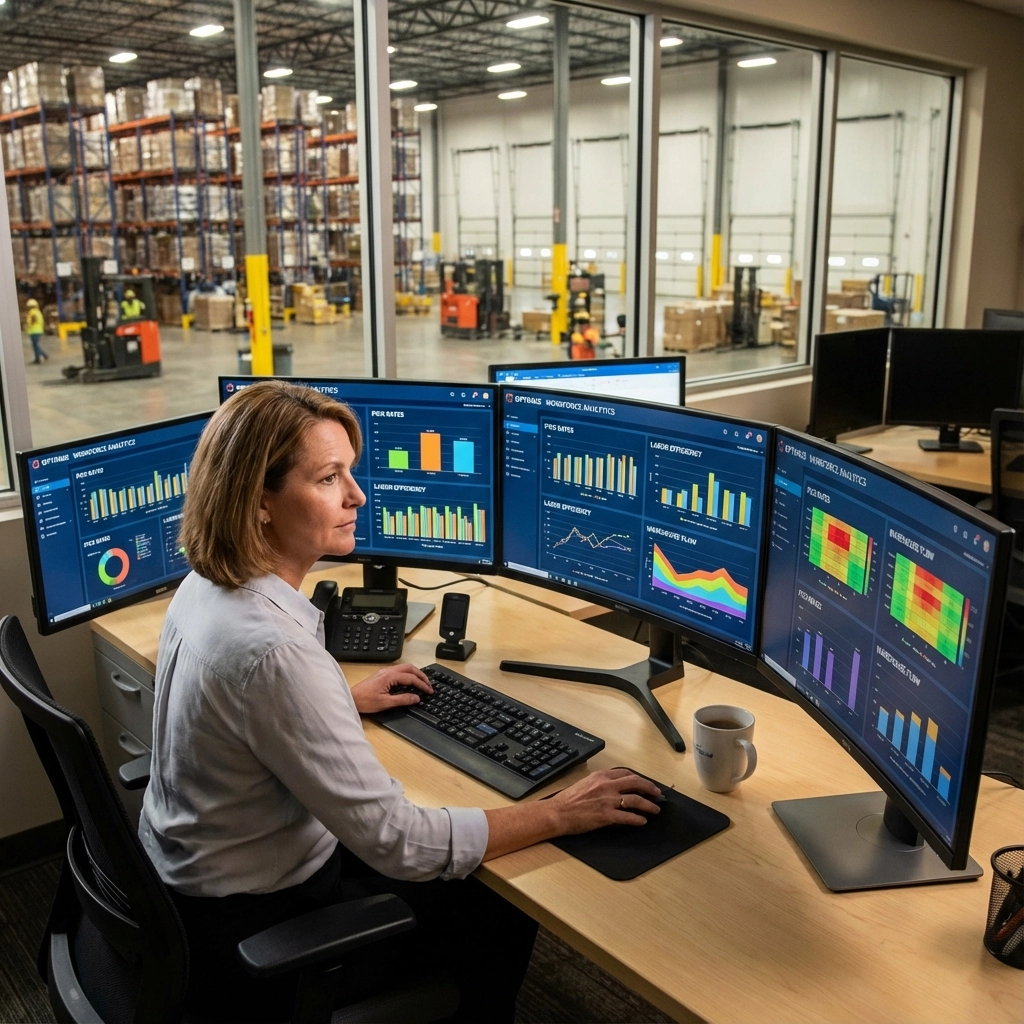
Feature #3: Role-Based Dashboards and KPI Monitoring
Different stakeholders require different performance insights. Warehouse supervisors need operational metrics, while executives focus on strategic indicators. The best WMS platforms provide customizable dashboards that deliver relevant information to each role automatically.
Supervisors access real-time productivity comparisons, safety incident tracking, and quality control metrics. Operations managers view labor cost analysis, efficiency trends, and capacity planning data. Executive dashboards highlight financial impact, competitive benchmarking, and strategic improvement opportunities.
These role-based views eliminate information overload while ensuring decision-makers access the data they need when they need it. Automated alerts notify stakeholders when performance deviates from established thresholds, enabling immediate corrective action.
Feature #4: Mobile Workforce Management and Task Optimization
Mobile capabilities are essential for modern labor management. Workers equipped with handheld devices or wearable technology can access real-time task assignments, performance feedback, and training resources throughout their shifts.
Advanced systems use AI-powered task orchestration to optimize worker assignments based on current location, skill level, and workload balance. The platform dynamically adjusts priorities as conditions change, ensuring optimal resource allocation without constant supervisory intervention.
Mobile interfaces provide workers with immediate feedback on their performance, including productivity rankings, quality scores, and improvement recommendations. This transparency drives engagement and enables self-directed performance enhancement that benefits both workers and operations.
Feature #5: Cross-Training Management and Skills Tracking
Labor flexibility becomes increasingly valuable as order patterns grow more unpredictable. The most effective WMS platforms maintain comprehensive skills databases that track worker certifications, training progress, and cross-functional capabilities.
These systems automatically identify cross-training opportunities based on operational needs and worker availability. When demand spikes in specific areas, the platform recommends qualified personnel from other zones who can provide immediate support without compromising service quality.
Advanced platforms track training effectiveness through performance comparisons before and after skill development programs. This data helps optimize training investments and identify the most valuable cross-training combinations for your specific operation.

Feature #6: Performance Benchmarking and Competitive Analysis
How does your workforce productivity compare to industry standards? Leading WMS platforms provide benchmarking capabilities that compare your labor metrics against similar operations, enabling data-driven improvement strategies.
These systems track key performance indicators like orders per hour, picking accuracy, and cost per shipment against industry databases. Benchmarking data reveals improvement opportunities and validates the effectiveness of operational changes.
Advanced platforms offer competitive analysis features that help you understand how labor efficiency impacts customer satisfaction and market position. This strategic perspective drives executive buy-in for workforce optimization initiatives and justifies technology investments.
Feature #7: Integration Capabilities and Reporting Flexibility
Your WMS must integrate seamlessly with existing HR systems, payroll platforms, and business intelligence tools. The most valuable labor management platforms offer open APIs and pre-built connectors that enable data sharing without complex custom development.
Reporting flexibility is equally important. Operations change rapidly, and your system must accommodate new metrics, modified workflows, and evolving business requirements. Leading platforms provide drag-and-drop report builders that enable non-technical users to create custom analyses without IT support.
Integration capabilities ensure that labor data flows smoothly into enterprise reporting systems, enabling comprehensive operational analysis that spans inventory, transportation, and workforce performance. This holistic view drives better strategic decisions and identifies optimization opportunities across the entire supply chain.
Choosing Your Implementation Partner
Selecting a WMS with these seven features is only the beginning. Implementation success depends on choosing a partner with proven expertise in labor management optimization and warehouse operations.
We recommend evaluating vendors based on their track record with similar operations, implementation methodology, and ongoing support capabilities. The best partnerships deliver measurable results within the first quarter while building foundations for sustained competitive advantage.
Consider total cost of ownership rather than initial licensing fees. The most effective WMS investments pay for themselves through labor cost reductions and productivity improvements within 12-18 months of implementation.
Performance Logistics Consulting helps distribution centers select and implement WMS solutions that deliver exceptional labor management capabilities. Our team understands the complexities of modern warehouse operations and provides the expertise needed to maximize your technology investment.
Ready to transform your labor management capabilities? We're here to help you navigate the selection process and achieve operational excellence that drives sustainable competitive advantage. Contact us today to discuss your specific requirements and explore how the right WMS platform can revolutionize your workforce optimization strategy.