
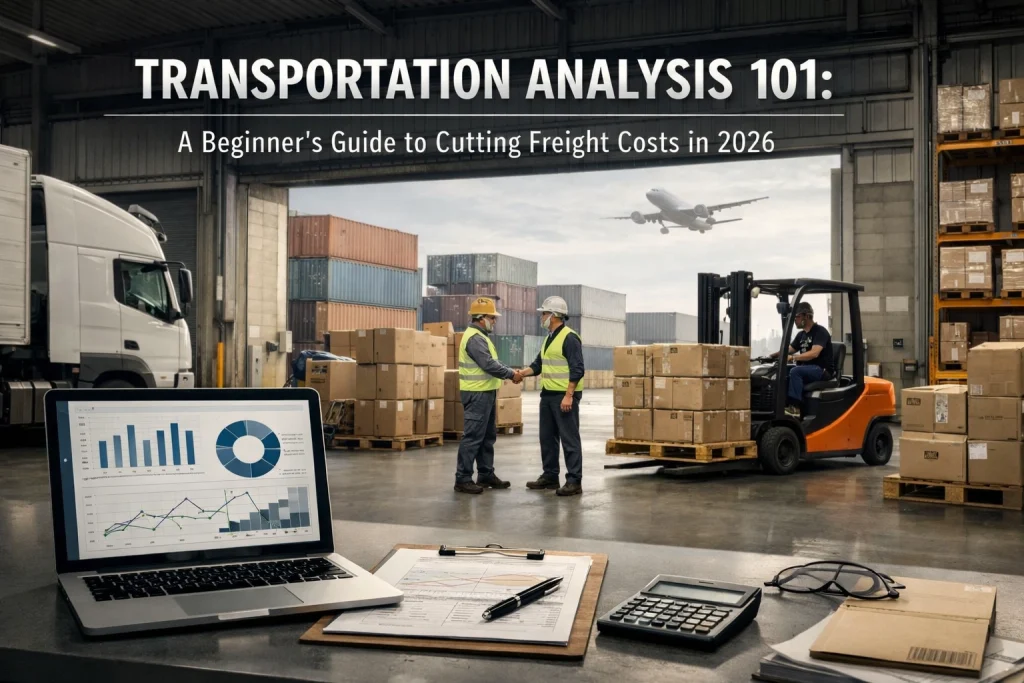
Freight costs are one of the largest line items in any supply chain budget. In 2026, with market volatility and carrier capacity fluctuations continuing to challenge logistics managers, the companies that win are those that understand transportation analysis fundamentals and apply them strategically.
Transportation analysis isn't just about finding the cheapest rate. It's about building a reliable, cost-effective network that performs consistently even when market conditions shift. If you're new to freight cost management or looking to refine your approach, this guide breaks down the essential strategies you need to know.
What Is Transportation Analysis?
Transportation analysis is the systematic evaluation of your shipping operations to identify cost savings, improve efficiency, and reduce risk. It involves examining carrier performance, route optimization, mode selection, pricing strategies, and network design to create a transportation plan that balances cost with service quality.
Most businesses start by looking at their freight spend and asking, "How can we pay less?" But effective transportation analysis asks better questions: Where are we wasting money? Which carriers deliver the best value? Are we using the right modes for each lane? How can we build stability into our network?
The difference between these approaches is significant. Companies that focus solely on the lowest rate often face service failures, capacity shortages, and hidden costs that exceed any initial savings. Companies that prioritize strategic analysis build transportation networks that are both cost-effective and resilient.

Strategy 1: Mix Long-Term Contracts with Spot Market Access
One of the most effective strategies for managing freight costs in 2026 is adopting a hybrid pricing model. This approach combines long-term carrier contracts with strategic use of the spot market.
Long-term contracts provide budget predictability and guaranteed capacity on your core shipping lanes. They protect you from market spikes and ensure you have reliable service during peak seasons. However, contracts can also lock you into rates that might be higher than current market conditions.
That's where spot market purchasing comes in. By maintaining access to spot rates, you can capitalize on favorable pricing when the market softens. Research shows that companies using this hybrid approach typically achieve 15-20% better cost performance than those relying exclusively on either strategy.
The key is knowing which shipments to contract and which to leave flexible. Your high-volume, consistent lanes are ideal for contracts. Your variable or seasonal lanes can often be handled more cost-effectively through the spot market.
Strategy 2: Build Strategic Carrier Partnerships
Moving beyond transactional relationships with carriers creates significant value. Strategic partnerships with core carriers ensure you have access to reliable capacity even when the market tightens, and they often lead to more competitive pricing over time.
When evaluating potential carrier partners, financial stability matters more than ever. The transportation industry faces ongoing pressures, and carrier bankruptcies or service disruptions can devastate your supply chain operations. Prioritize carriers with strong balance sheets and proven operational consistency.
Strong carrier relationships also give you leverage when problems arise. Partners are more likely to prioritize your loads, accommodate special requests, and work collaboratively to solve issues. We've seen clients reduce detention charges by 30-40% simply by improving their carrier communication and collaboration practices.
Strategy 3: Implement Visibility and Act on the Data
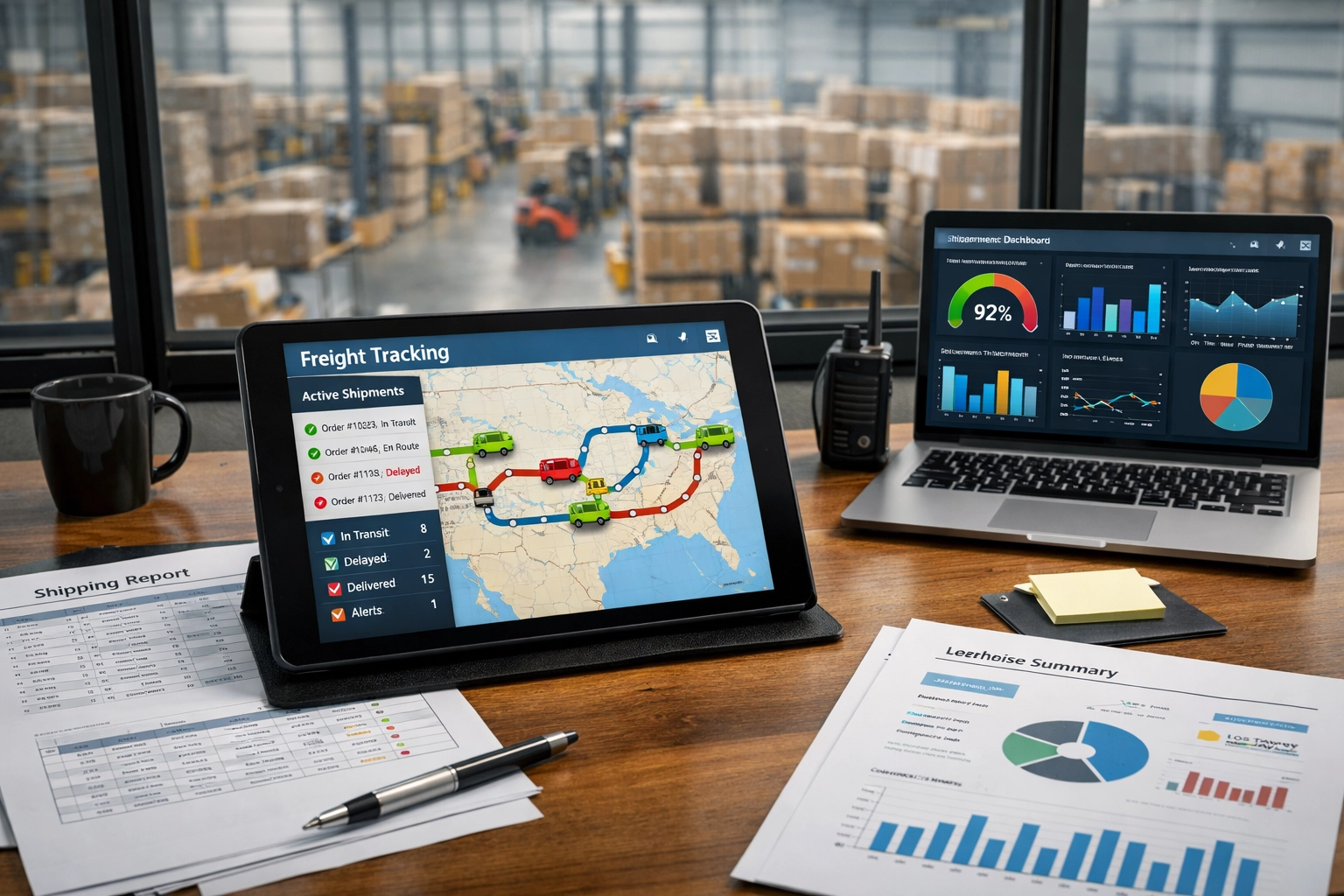
Real-time freight visibility tools are now standard in modern transportation management. But visibility alone doesn't lower costs: you must act on the information you receive.
Digital freight platforms that provide real-time rate comparisons and performance insights support smarter budgeting decisions. When you spot problems early: missed pickups, delayed deliveries, routing inefficiencies: you can reroute freight, adjust carriers, or switch modes before issues become expensive.
Transportation analysis means continuously monitoring your shipment data and identifying patterns. Which carriers consistently deliver on time? Which lanes have the highest cost per mile? Where are you experiencing the most freight claims? The answers to these questions drive actionable improvements.
Companies that effectively use transportation data typically reduce total freight costs by 8-12% within the first year of implementation. That's not from negotiating lower rates: it's from eliminating waste and inefficiency in how they move goods.
Strategy 4: Optimize Your Network and Reduce Empty Miles
Network optimization is where transportation analysis delivers some of its biggest wins. Even small improvements in how you consolidate shipments, plan routes, and utilize assets can significantly reduce expenses.
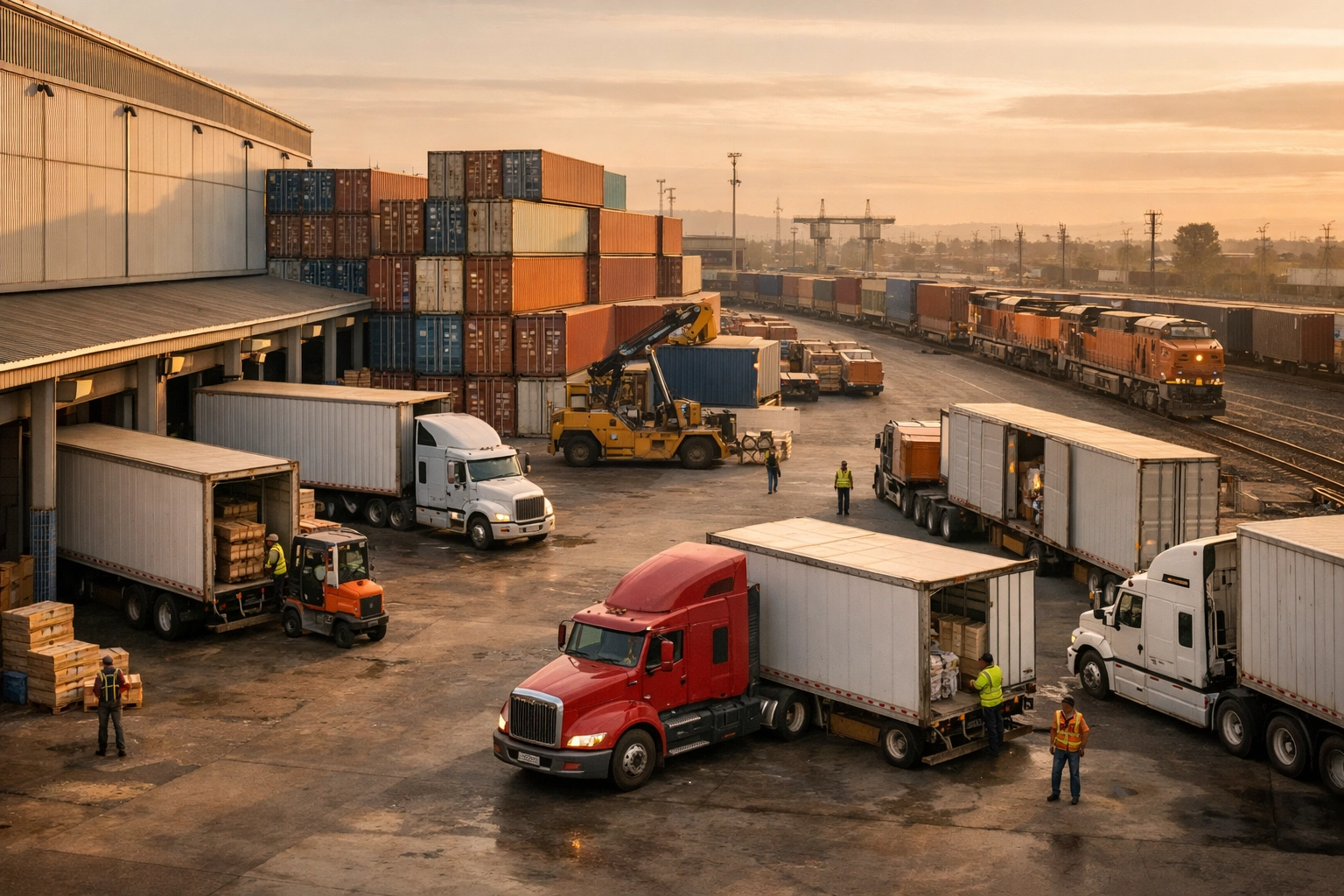
Empty miles: the distance trucks travel without carrying freight: represent pure waste. Through better load planning, routing software, and cross-docking strategies, you can minimize empty miles and improve asset utilization. Load optimization tools help you maximize cube and weight utilization, reducing the total number of shipments required.
Intermodal transportation offers another opportunity for network optimization. Rail is typically 10-30% cheaper than truckload for long-haul shipments, though it requires longer transit times. Strategically using intermodal for appropriate lanes can substantially reduce your transportation budget without sacrificing service quality where it matters most.
Strategy 5: Diversify Your Carrier Base and Transportation Modes
Relying heavily on a single carrier or transportation mode creates risk. When that carrier faces capacity constraints or rate increases, you have limited options. Diversification protects you from these vulnerabilities.
Maintain relationships with multiple carriers across different modes: truckload, LTL, intermodal, parcel, air freight. Different lanes and shipment types benefit from different solutions. Your overnight shipments might require air freight, while your standard replenishment orders work perfectly with intermodal service.
This diversification also gives you negotiating leverage. Carriers know they're competing for your business, which encourages competitive pricing and better service. We recommend having at least three qualified carriers for each major lane, with primary, secondary, and backup options clearly defined.
Strategy 6: Monitor Market Rates and Plan Realistically
While spot market rates have shown some strength recently, overall rate recovery is expected to remain slow throughout 2026. Many shippers are planning for mild rate increases rather than the sharp volatility seen in previous years.
Track both contract and spot rates regularly across your key lanes. Benchmark your rates against market averages to ensure you're paying competitively. However, avoid the mistake of assuming rates will decrease significantly: building conservative rate projections into your budgets protects against surprises.
Transportation analysis includes understanding market cycles and timing your contract negotiations strategically. Bid season timing, capacity conditions, and fuel prices all impact what rates you can secure. Companies that monitor these factors and time their negotiations accordingly often achieve 5-10% better contract rates than those who don't.
Strategy 7: Address Inefficiencies in Your Own Operations
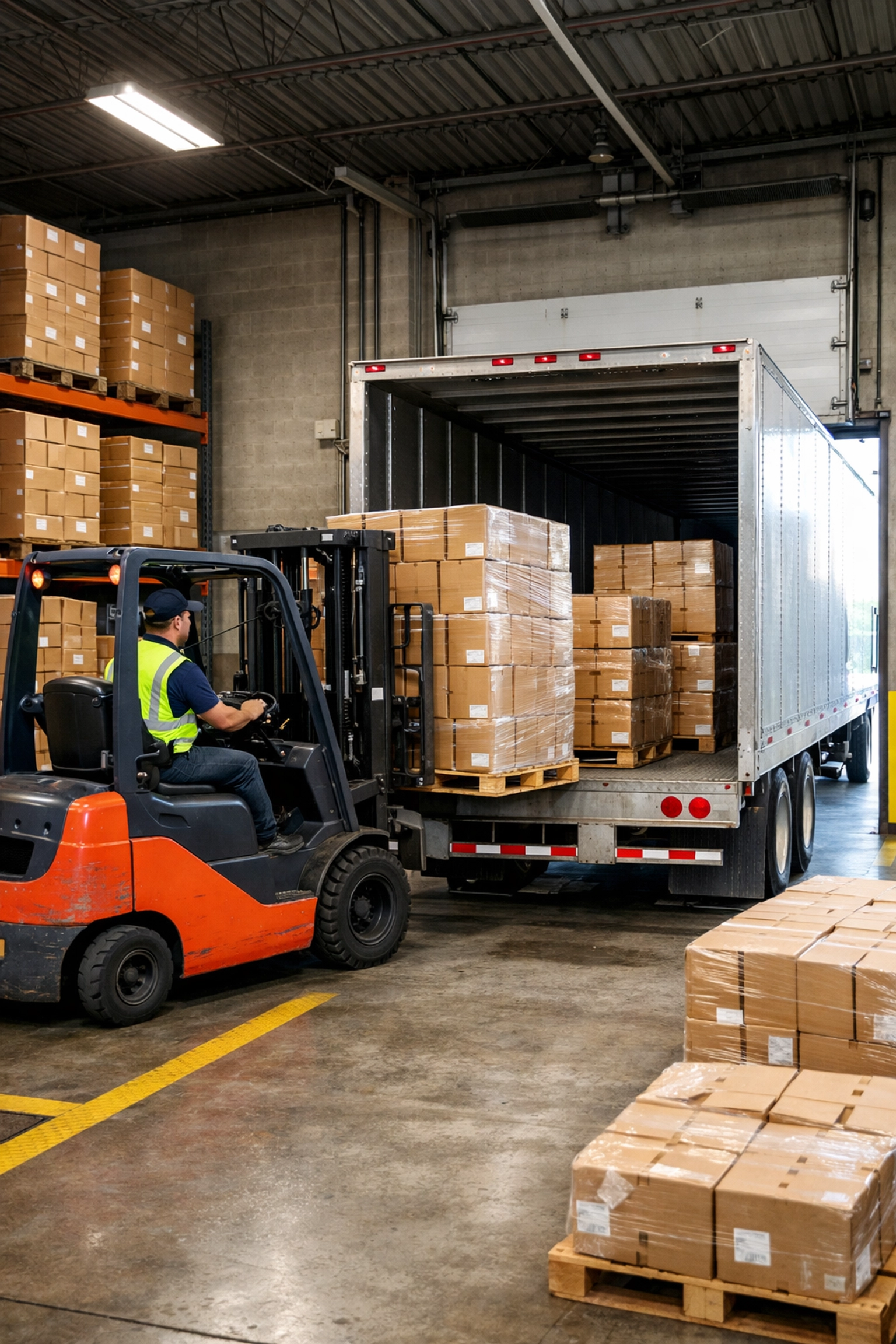
Sometimes the biggest opportunities for freight cost reduction come from fixing problems you create. Inefficient dock operations, inconsistent freight volumes, poor packaging, and unclear delivery requirements all increase carrier costs: costs they pass back to you through higher rates.
Work with your carriers to understand where your operations create inefficiencies for them. Are your loading docks chronically backed up? Do you frequently request last-minute pickups? Are your shipments consistently under the weight you declare? These issues cost money.
We've seen clients reduce freight costs by 15-20% simply by improving their dock scheduling, standardizing their packaging, and providing better visibility into upcoming shipment volumes. These changes require no rate negotiations: they just eliminate waste from the system.
Putting It All Together: Your Transportation Analysis Action Plan
Effective transportation analysis in 2026 requires adaptability, consistency, and strategic partnerships. It's not about finding the single cheapest rate: it's about building a transportation network that performs reliably while controlling costs.
Start with your data. Gather 12 months of shipment history including origins, destinations, modes, carriers, rates, and service performance. This baseline lets you identify patterns and opportunities.
Next, segment your freight. Which lanes are your highest volume? Which are most critical to customer satisfaction? Which offer the biggest opportunities for cost reduction? Different strategies apply to different freight profiles.
Then implement the strategies outlined above systematically. You don't need to do everything at once. Start with your biggest opportunities: typically that's network optimization and carrier consolidation: and expand from there.
The companies that excel at transportation cost management in 2026 treat it as an ongoing discipline, not a one-time project. They continuously analyze performance, test new strategies, and adjust their approach based on changing market conditions.
Need Help with Your Transportation Analysis?
Transportation analysis delivers measurable results when done correctly. At Performance Logistics Consulting LLC, we help companies across industries reduce freight costs while improving service reliability. Our proven methodology combines data-driven insights with practical, implementable strategies that fit your specific operations.
Whether you're just starting to analyze your transportation spend or looking to optimize an existing program, we're here to help. Our team brings decades of supply chain expertise and a track record of delivering 12-25% freight cost reductions for our clients.
Ready to cut your freight costs in 2026? Contact us today to discuss your transportation analysis needs. We're available to answer questions, provide insights, and help you build a more cost-effective transportation network. Let's talk about how we can help you achieve your freight cost goals this year.