
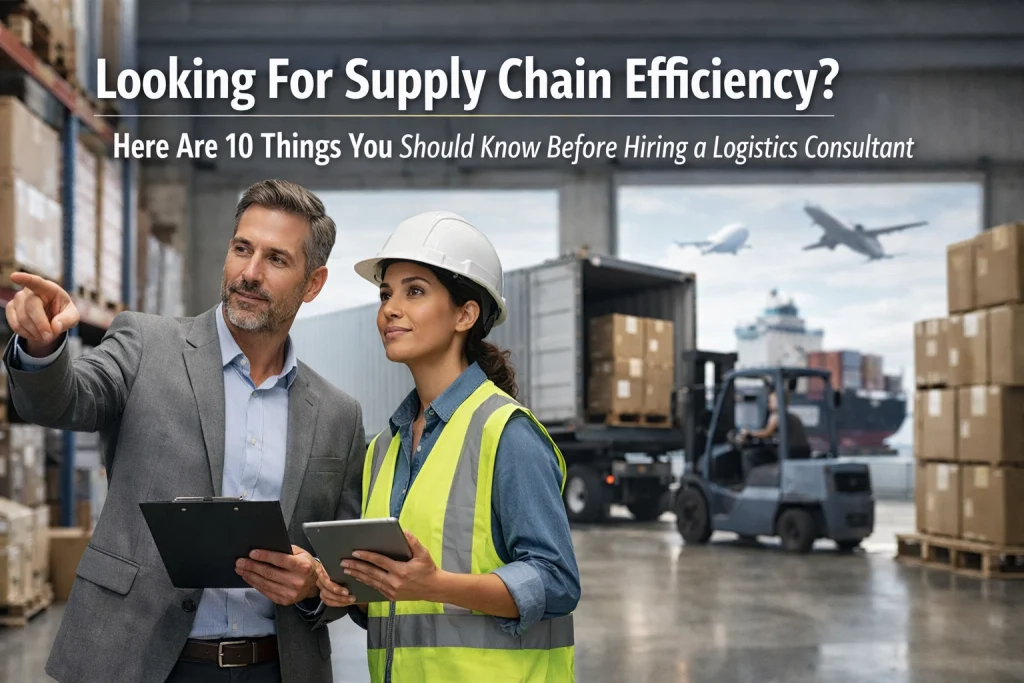
Supply chain efficiency isn't just a nice-to-have anymore: it's essential for survival in today's competitive marketplace. But here's the thing: hiring the wrong logistics consultant can cost you more than just money. It can derail your operations, frustrate your team, and leave you worse off than when you started.
So how do you make the right choice?
We've seen companies make critical mistakes when selecting logistics consultants, and we've also witnessed the transformative impact when they get it right. The difference often comes down to knowing what to look for before you sign any contracts.
1. Industry-Specific Experience Is Non-Negotiable
Not all supply chains are created equal. A consultant who excels in retail logistics might struggle with pharmaceutical distribution or automotive supply chains. The nuances matter: regulatory requirements, temperature controls, just-in-time manufacturing demands, and seasonal fluctuations vary dramatically across industries.
Look for consultants who have documented success in your specific sector. Ask for case studies, client references, and examples of challenges they've solved that mirror your own. Generic experience won't cut it when you're dealing with the complexities of modern supply chain management.
2. Technology and Automation Expertise Separates Leaders from Followers
According to recent research, AI-driven logistics solutions can improve logistics costs by 15%, reduce inventory levels by 35%, and boost service levels by 65%. Those aren't small numbers: they're game-changers.
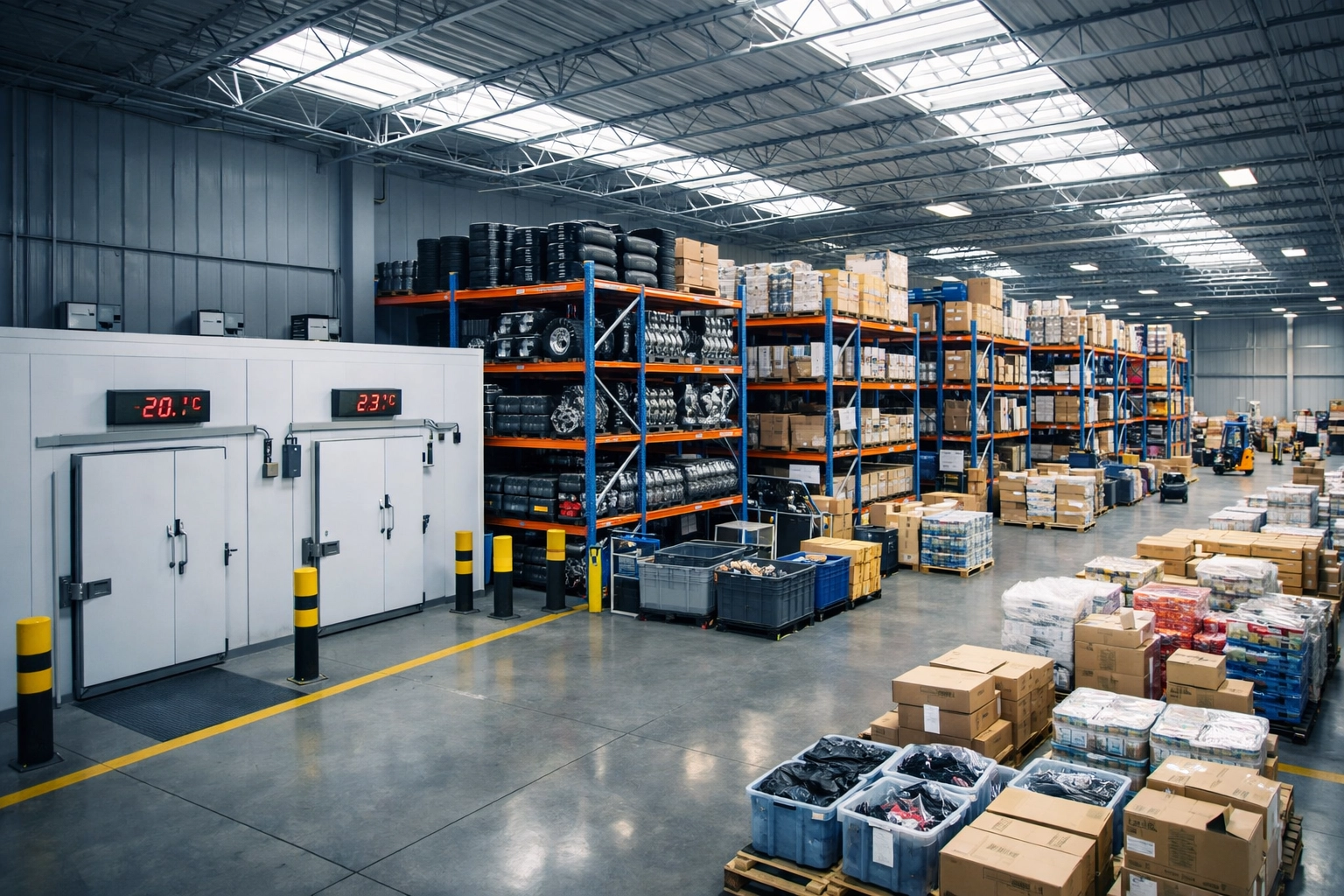
Your consultant should be well-versed in the latest warehouse management systems, transportation management platforms, and automation technologies. They should understand how to integrate these systems seamlessly with your existing infrastructure. If they're still recommending spreadsheets for inventory tracking, that's a red flag.
The consultant you choose should help you leverage technology to automate procurement workflows, enhance visibility across your network, and reduce manual processes that drain productivity and introduce errors.
3. Measurable Results Matter More Than Promises
Anyone can promise efficiency improvements. But can they quantify them?
A credible logistics consultant will establish clear KPIs from day one and show you exactly how they'll measure success. They should provide benchmarking data from similar organizations and realistic timelines for achieving specific improvements.
Ask potential consultants about their methodology for tracking ROI. Request examples of how they've documented improvements for previous clients. The numbers should be specific: not vague statements about "better performance" or "improved operations."
4. Inventory Optimization Knowledge Is Fundamental
Inventory represents one of the largest cost centers in most supply chains. The consultant you hire should understand how to balance inventory levels to meet demand while avoiding overstocking and stockouts.

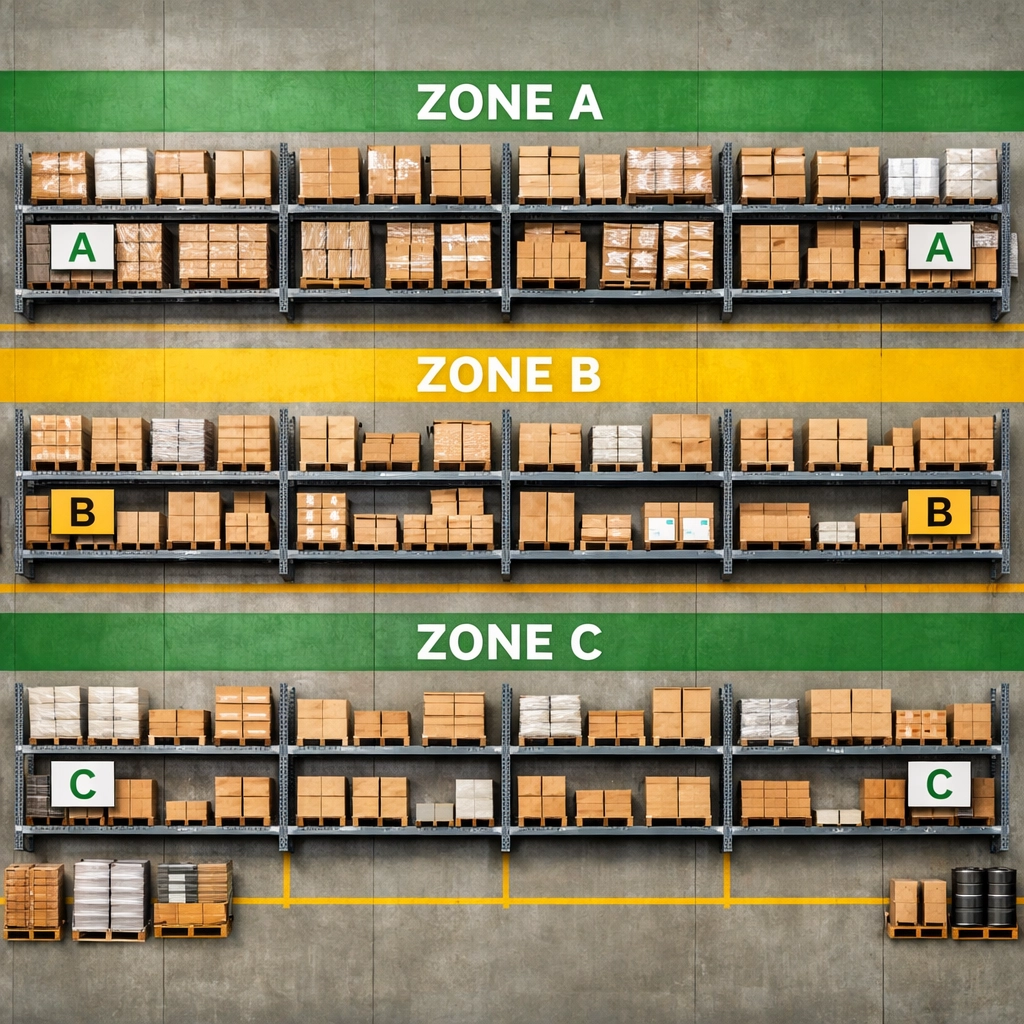
This requires sophisticated demand sensing capabilities, understanding of safety stock calculations, and expertise in inventory positioning strategies. They should know how to implement ABC analysis, economic order quantities, and reorder point calculations that actually work in real-world scenarios.
If your consultant can't articulate a clear strategy for optimizing your inventory, you're not getting the expertise you're paying for.
5. Demand Forecasting Capabilities Determine Success
Accurate demand forecasting is the foundation of efficient supply chain operations. Your consultant should help you implement robust Sales & Operations Planning (S&OP) processes that align your organization around a single demand plan.
They should understand statistical forecasting methods, collaborative forecasting approaches, and how to incorporate both quantitative data and qualitative market intelligence. The ability to accurately predict demand ripples through every aspect of your supply chain: from procurement to warehouse staffing to transportation planning.
6. End-to-End Supply Chain Visibility Isn't Optional
Supply chain visibility has become a critical differentiator. A strong consultant will help you establish real-time visibility across your entire network: from raw material suppliers through manufacturing and distribution to final delivery.
This means implementing track-and-trace capabilities, IoT sensors where appropriate, and dashboard solutions that provide actionable insights rather than just data dumps. We're talking about systems that alert you to potential disruptions before they become crises, not tools that simply tell you what happened yesterday.
7. Risk Mitigation Strategies Protect Your Business
Supply chain disruptions have become more frequent and more severe. Your consultant should bring proven risk management frameworks to the table.
This includes supplier diversification strategies, contingency planning for transportation disruptions, and methods for building resilience into your network without sacrificing efficiency. They should help you identify single points of failure in your current operations and develop practical solutions to address them.
The consultant who dismisses risk planning as "optional" or "something to worry about later" is setting you up for future problems.
8. Lean Principles and Continuous Improvement Mentality
The best logistics consultants don't just fix problems: they create cultures of continuous improvement. They should understand lean manufacturing principles, Six Sigma methodologies, and how to eliminate waste throughout your operations.
This means identifying and addressing the seven deadly wastes: overproduction, waiting, transportation, overprocessing, inventory, motion, and defects. A consultant with lean expertise will help you streamline processes, reduce cycle times, and create sustainable improvements that persist long after their engagement ends.
9. Collaborative Approach and Clear Communication
Technical expertise means nothing if your consultant can't work effectively with your team. Look for consultants who demonstrate strong communication skills, emotional intelligence, and a collaborative working style.

They should be willing to train your staff, transfer knowledge, and build internal capabilities rather than creating dependency. The goal isn't to keep you reliant on external consultants indefinitely: it's to strengthen your organization's ability to manage and optimize its own supply chain.
Schedule conversations with potential consultants and pay attention to how they communicate. Do they listen to your concerns? Do they ask insightful questions? Do they explain complex concepts in accessible language? These soft skills often determine whether a consulting engagement succeeds or fails.
10. Long-Term Partnership Mindset Over Transactional Relationships
The best logistics consultants view their work as the beginning of a long-term partnership rather than a one-time transaction. They should be invested in your success beyond the initial project scope.
This means providing ongoing support, staying current with industry developments that might affect your operations, and being available when unexpected challenges arise. Look for consultants who offer flexible engagement models: from project-based work to retainer arrangements to advisory services.
At Performance Logistics Consulting LLC, we've built our reputation on exactly this approach. We don't just parachute in with generic recommendations and disappear. We partner with organizations to deliver measurable, sustainable improvements in warehouse optimization, logistics management, and supply chain performance.
Making the Right Choice
Hiring a logistics consultant is a significant investment. But when you choose the right partner: one who brings industry expertise, technological savvy, proven methodologies, and a collaborative approach: the ROI can be transformative.
The supply chain challenges you're facing today won't solve themselves. Whether you're struggling with inventory imbalances, transportation costs, warehouse inefficiencies, or demand forecasting accuracy, the right consultant can help you turn these pain points into competitive advantages.
Why continue wrestling with supply chain inefficiencies when proven solutions exist?
We're here to help you navigate these decisions and identify the consulting partnership that's right for your organization. Reach out to our team at Performance Logistics Consulting LLC, and let's have a conversation about your specific challenges and objectives. No pressure, no generic pitches: just practical insights and honest assessment of how we might help.
Contact us today at https://plconsultingllc.com/contact and let's start optimizing your supply chain for peak performance.