
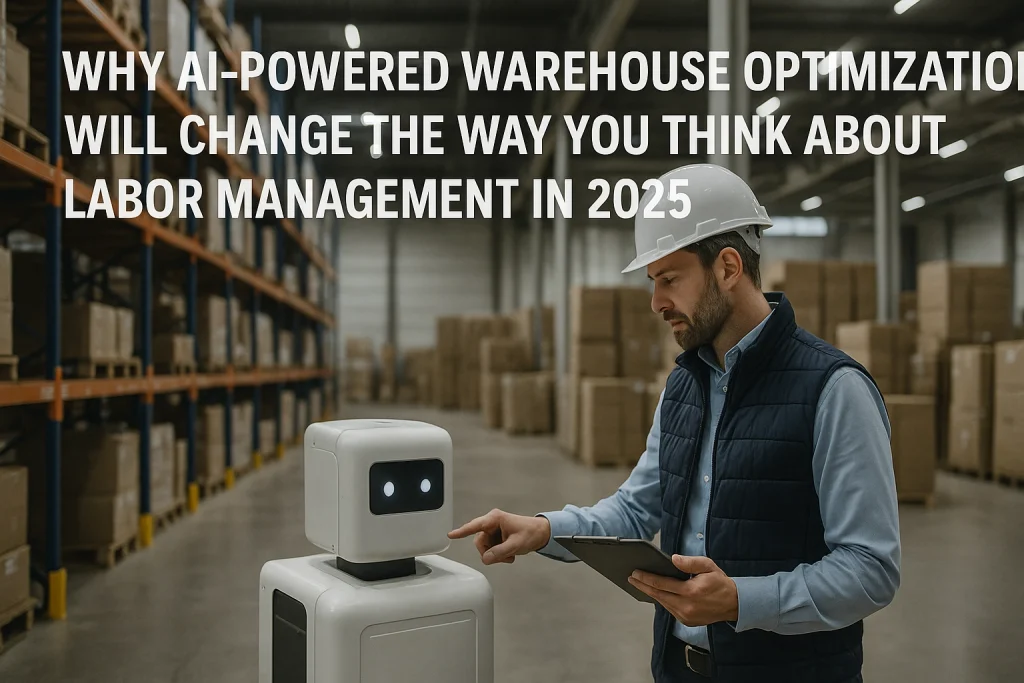
The warehouse labor shortage isn't going anywhere. But what if we told you that the solution isn't hiring more workers or paying higher wages? What if the answer lies in making your existing workforce exponentially more effective through artificial intelligence?
AI-powered warehouse optimization fundamentally transforms how we approach labor management. Instead of throwing money at problems through overtime and wage increases, smart warehouses are leveraging AI to optimize existing teams and maximize productivity. This isn't just about efficiency: it's about completely rethinking what labor management means in modern supply chain operations.
The Traditional Labor Management Trap
Most warehouse managers are stuck in reactive mode. Labor shortage hits? Increase wages. Peak season demand? Schedule overtime. Equipment breaks down? Pull workers from other areas. This approach treats symptoms rather than addressing root causes, and it's expensive.
Traditional labor management relies on historical averages and gut feelings. Managers schedule based on last year's data, hoping conditions remain similar. When they don't: which happens frequently: operations scramble to adapt. The result? Overstaffing during slow periods, understaffing during surges, and constant firefighting that drains resources and burns out teams.

The financial impact is staggering. Companies spend up to 25% more on labor costs through reactive scheduling, overtime premiums, and emergency staffing solutions. But here's the thing: these band-aid fixes don't actually solve the underlying inefficiencies that created the problems in the first place.
How AI Changes Everything
Artificial intelligence doesn't just automate tasks: it optimizes the entire labor ecosystem. AI systems analyze thousands of variables simultaneously: historical order patterns, seasonal fluctuations, individual worker capabilities, equipment performance, and real-time conditions. This comprehensive analysis enables predictive labor planning that anticipates needs before problems occur.
Predictive Labor Forecasting
AI algorithms process historical data, promotional calendars, weather patterns, and market trends to forecast labor requirements with remarkable accuracy. Instead of guessing how many workers you'll need next Tuesday, AI tells you exactly when, where, and what type of skills will be required. Companies using AI-driven forecasting reduce labor variances by up to 40% compared to traditional scheduling methods.
Dynamic Skill Matching
Every worker has unique strengths, certifications, and performance patterns. AI systems create detailed worker profiles that match individuals to tasks where they excel most. This isn't about replacing human judgment: it's about augmenting it with data-driven insights that maximize both productivity and job satisfaction.
Real-Time Resource Allocation
When unexpected surges or disruptions occur, AI instantly recalculates optimal labor allocation. Workers are redirected to high-priority areas, tasks are redistributed based on current conditions, and managers receive actionable recommendations to maintain smooth operations.
The Productivity Revolution
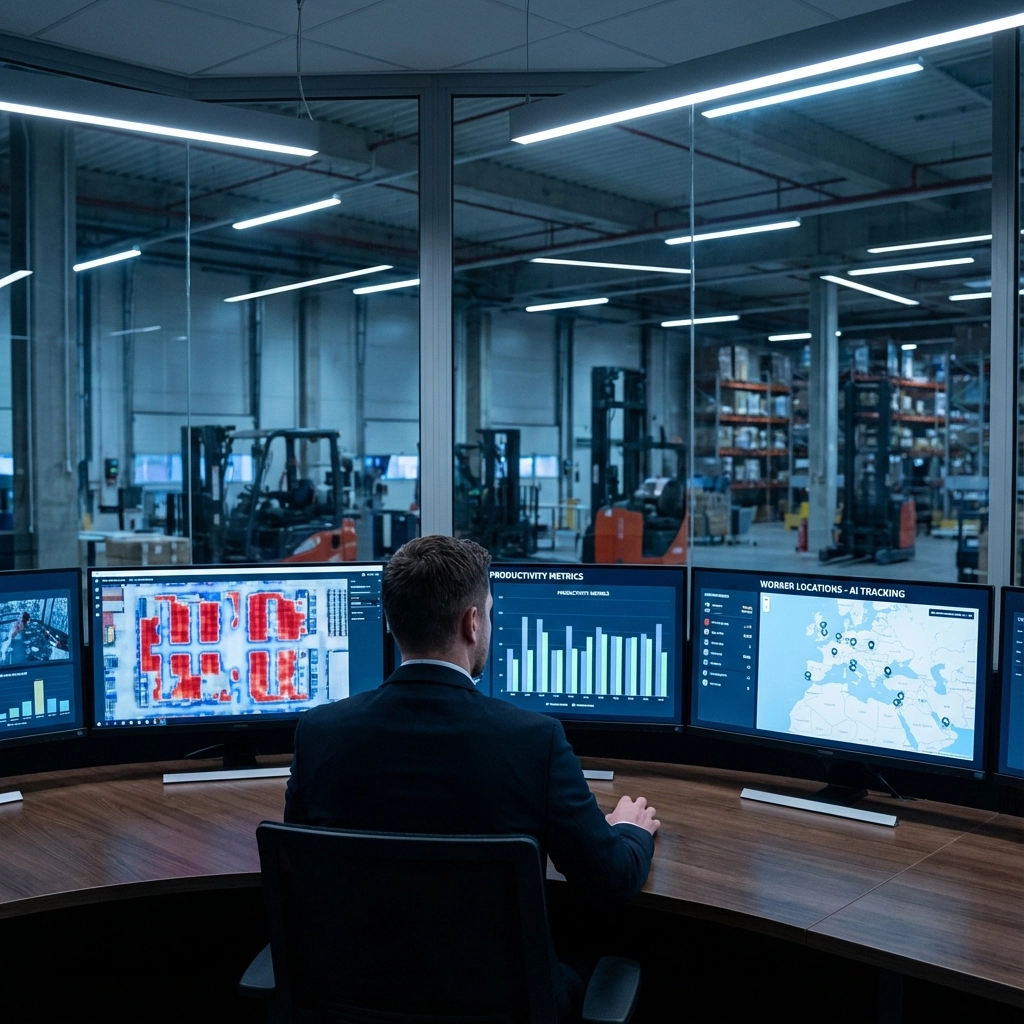
The results speak for themselves. Warehouses implementing AI-powered labor optimization report 25% reductions in picking labor costs, 30% improvements in order fulfillment accuracy, and 15% decreases in employee turnover. But the numbers only tell part of the story.
AI enables what we call "intelligent amplification": making human workers more capable rather than simply working them harder. Optimized picking routes reduce walking time by thousands of steps per shift. Predictive maintenance prevents equipment downtime that disrupts workflows. Smart task sequencing minimizes context switching and maximizes focus time.
Consider workflow optimization alone. AI analyzes millions of possible task sequences to identify the most efficient paths through warehouse operations. Workers spend more time adding value and less time navigating inefficiencies. The compound effect across an entire workforce is transformational.
Beyond Cost Reduction: Strategic Advantages
Smart labor management creates competitive advantages that extend far beyond cost savings. Faster and far more efficient operations enable better customer service through faster order fulfillment. Reduced errors improve customer satisfaction and decrease returns processing costs. More predictable operations enable better capacity planning and resource allocation.
AI-optimized warehouses also demonstrate greater resilience during disruptions. When supply chain challenges arise: and they always do: these facilities adapt faster and maintain higher service levels. The agility advantage becomes particularly valuable during peak seasons, product launches, and market volatility.
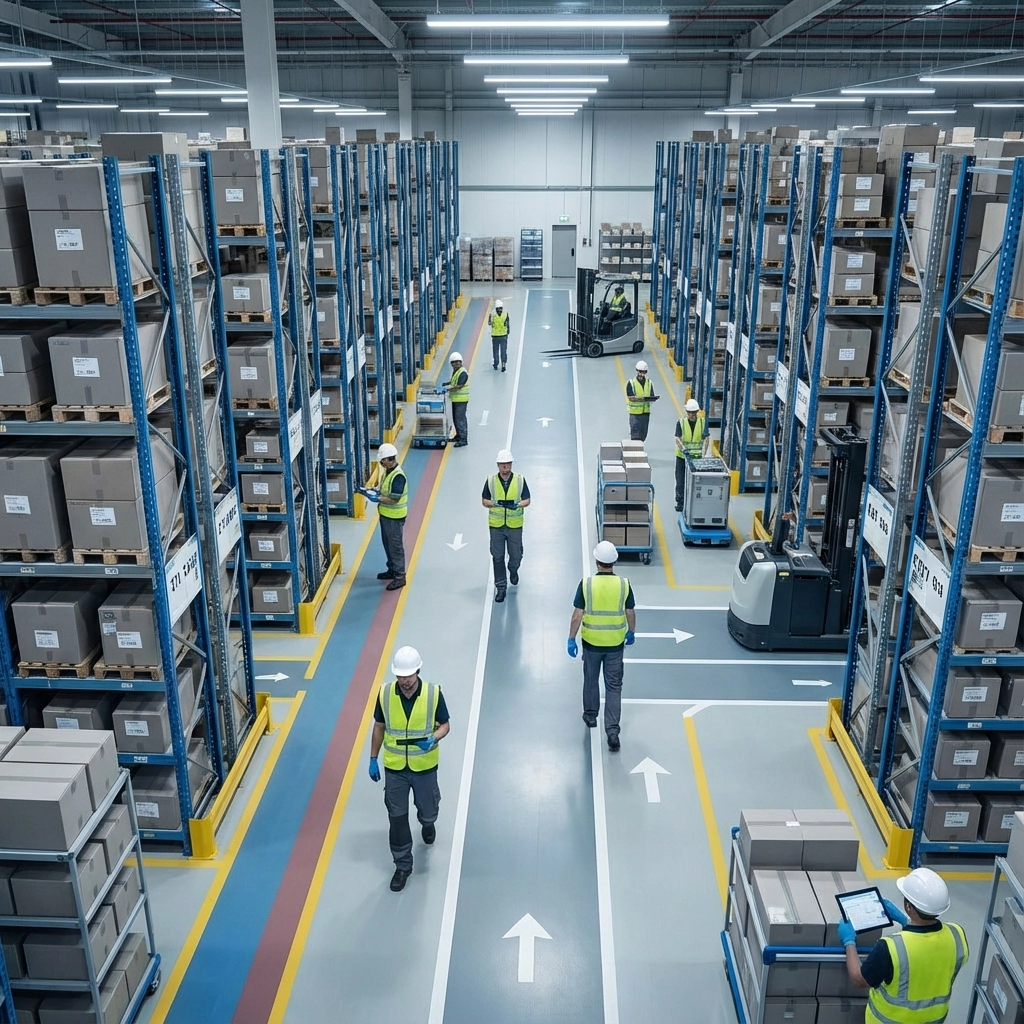
Employee satisfaction improves dramatically when AI handles routine optimization tasks. Workers focus on meaningful activities rather than fighting inefficient systems. Reduced overtime demands improve work-life balance. Clear, data-driven task assignments eliminate confusion and workplace conflicts.
Human-AI Partnership: The Future Model
Here's what many people misunderstand about AI in warehouses: it's not about replacing humans. The most successful implementations create powerful human-AI partnerships where technology handles optimization and humans focus on judgment, problem-solving, and relationship management.
Companies like FedEx and UPS deploy AI-powered systems to handle repetitive analysis while human workers manage complex decisions, customer interactions, and strategic planning. This division of labor plays to each side's strengths: AI's computational power and pattern recognition, combined with human creativity, adaptability, and emotional intelligence.
Workers in AI-optimized environments report higher job satisfaction because they're freed from tedious optimization tasks and empowered to focus on impactful work. Career development opportunities expand as employees learn to work alongside advanced technology systems.
Real-World Implementation Success
Take Alibaba's warehouse operations: AI-driven optimization reduced picking times by 25% while improving accuracy rates. Their system continuously learns from worker patterns and operational feedback, becoming more effective over time.
Logiwa's warehouse management platform demonstrates similar results, with clients achieving up to 25% reductions in picking labor costs through intelligent task optimization and dynamic resource allocation.
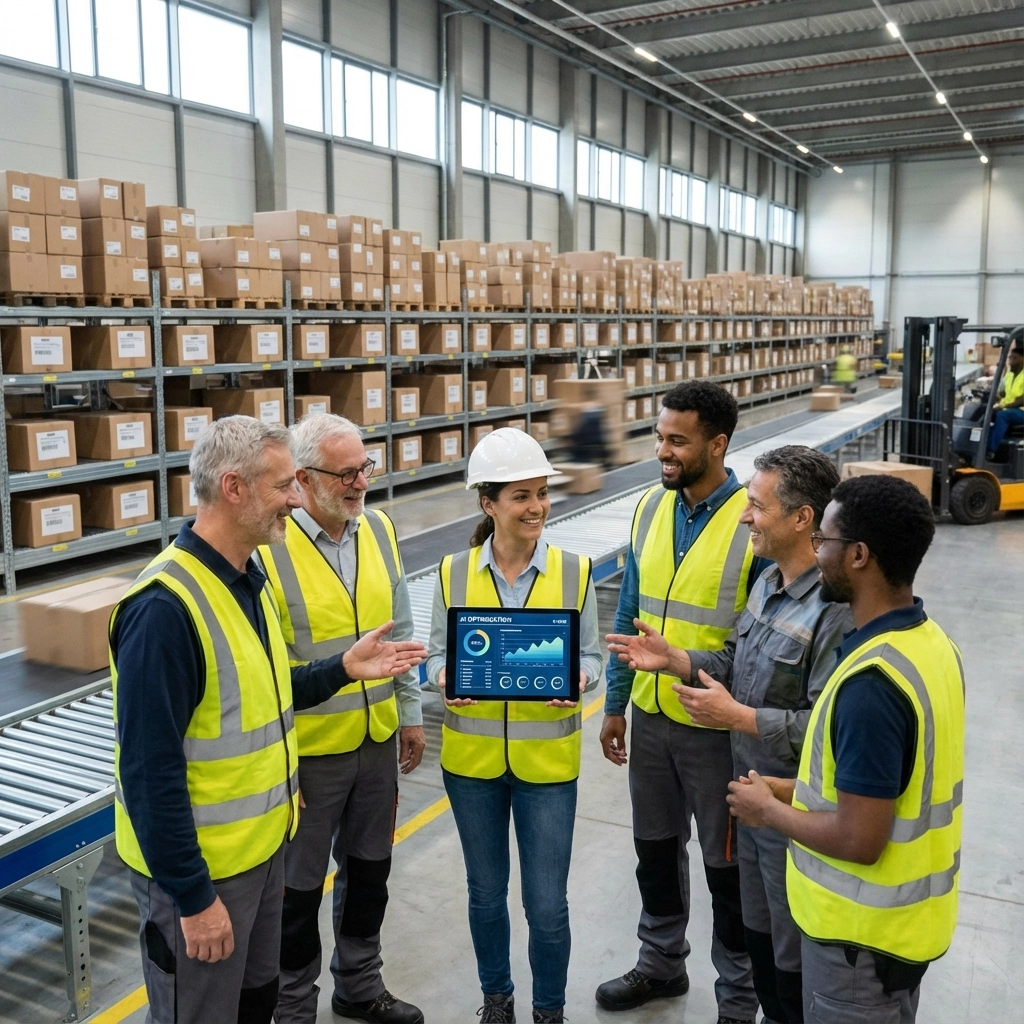
These aren't isolated success stories. Across industries, companies implementing comprehensive AI labor optimization report consistent improvements in productivity, cost control, and employee satisfaction. The technology has matured beyond experimental phases into proven, scalable solutions.
Implementation Considerations
Successful AI implementation requires thoughtful change management. Workers need training not just on new systems, but on how to interpret AI recommendations and when to override them. The goal is creating confident, AI-augmented teams rather than technology-dependent operations.
Data quality becomes critical. AI systems are only as effective as the information they process. Companies must invest in proper data collection, cleaning, and validation processes to ensure AI recommendations are accurate and actionable.
Integration with existing warehouse management systems requires careful planning. The most effective implementations seamlessly blend AI capabilities with current workflows rather than forcing complete operational overhauls.
The Competitive Reality
Here's the bottom line: warehouses that embrace AI-powered labor optimization will outperform those stuck in traditional reactive management models. The productivity advantages are too significant to ignore, and the technology gap will only widen as AI systems become more sophisticated.
Companies waiting for "perfect" AI solutions will find themselves permanently behind competitors who implemented good solutions and continuously improved them. The learning curve exists, but the operational advantages justify the investment many times over.
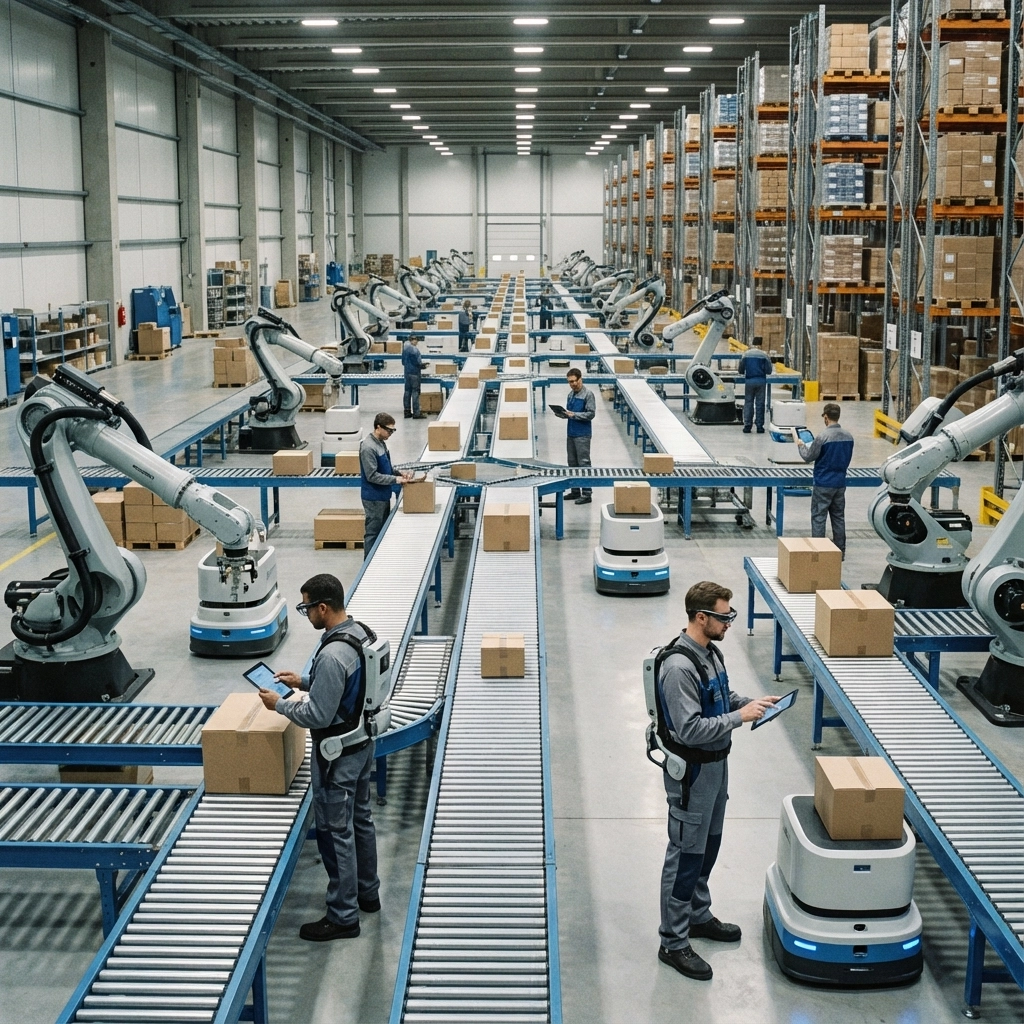
Why not make money while optimizing your workforce? AI enables both cost reduction and revenue enhancement through improved service levels and operational capacity. The question isn't whether to implement AI-powered labor optimization: it's how quickly you can get started.
We help supply chain and logistics companies navigate these transformations every day. Our team understands the complexities of warehouse operations and the practical realities of implementing new technologies. If you're ready to revolutionize your approach to labor management, we're here to guide you through every step of the process.
Ready to discover what AI-powered optimization can do for your warehouse operations? Contact Performance Logistics Consulting LLC today. We're always here to help you transform challenges into competitive advantages. Let's build the future of your warehouse together: smarter, faster, and far more efficient than you thought possible.